


Photographs can take on a different meaning as time passes. Taken during moments that seemed ordinary, they may show people smiling, traveling, working, or simply enjoying life, with no indication that events were about to change everything. After a tragedy, such images can become especially poignant records of people whose lives were cut short.
In many of these cases, the photographs were made minutes, hours, or days before a fatal event. At the time, no one could know that an image might become one of the last surviving records of its subjects. For relatives, friends, and admirers, the pictures preserve a particular moment that cannot be repeated.
The contrast between the calm or everyday nature of a photograph and what happened afterward is part of what draws attention to it. Some images show people at events or with loved ones; others record a journey or a moment of work. The photograph itself does not predict what will happen. Its significance changes because later events give that otherwise ordinary moment a place in a larger story.
The gallery brings together eight images associated with people and groups whose lives ended in tragedies. Each has a distinct context, but all offer a glimpse of people in a moment before their stories were interrupted. They also serve as reminders that a photograph shows only a fragment of a person’s life, not the whole of who they were.
One image shows singer Amy Winehouse during a performance with her goddaughter. It was taken on July 20, 2011. Three days later, on July 23, Winehouse was found dead at her home in London at age 27. The photograph became one of the last memories of her final days.
The image’s connection to a performance gives it a specific context: it records Winehouse in front of an audience and alongside someone close to her. But the photograph cannot explain what she was thinking or what the people around her knew at that moment. Its later importance comes from the short interval between the performance and her death. For those who remember Winehouse through her music, the picture is also a record of her as a performer, rather than only a reference to the circumstances in which her life ended.
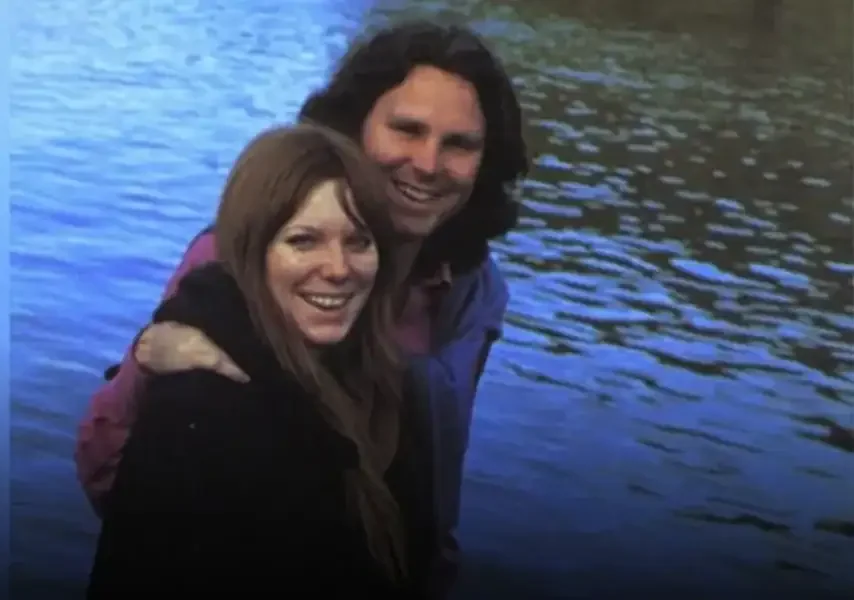
Another photograph in the gallery shows Jim Morrison, the lead singer of The Doors. It was taken in France on June 28, 1971. Five days later, on July 3, Morrison died in Paris. The image preserves one of the last known moments of the musician before his death.
The dates place the photograph close to the end of Morrison’s life, but the image remains a record of a particular day, not an account of what followed. Its meaning is shaped by the brief period separating the two events. For viewers, the photograph can prompt consideration of how historical records often become important in retrospect: a moment that may not have seemed exceptional when captured can later stand out because of what happened afterward.
A different image shows basketball player Kobe Bryant with his daughter Gianna during a game. The photograph was taken one day before the helicopter crash on January 26, 2020, that killed both of them and seven other people. The tragedy claimed nine lives in all.
The picture records a father and daughter together at a sporting event, a setting connected to basketball, a major part of Bryant’s public life. The closeness of the date makes the photograph particularly difficult for many people to view, because the moment it captures came just before the crash. At the same time, it is a record of the two of them together, rather than simply an image associated with the accident. The other seven people who died were also part of the tragedy, even though the photograph described here focuses on Bryant and Gianna.
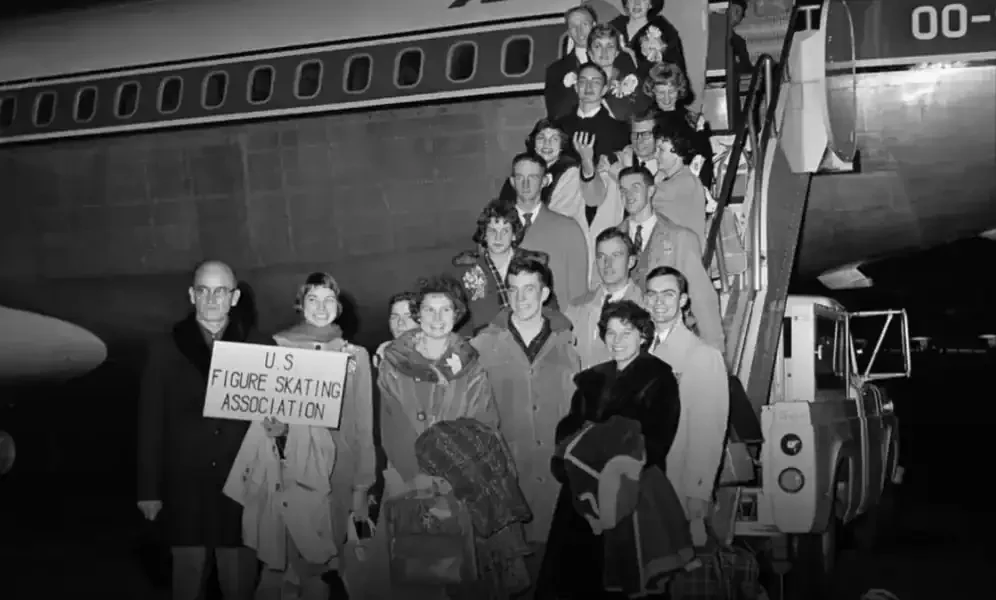
The gallery also recalls the 1961 plane crash involving members of the U.S. figure skating team. The photograph shows members of the team boarding a plane for the World Championships. The aircraft crashed in Belgium, and all 72 people aboard died, including athletes, coaches, and family members.
The scale of the loss extended beyond the skaters themselves. Coaches and relatives were also on the flight, making the tragedy devastating for the wider group connected to the team. The photograph of people boarding preserves an ordinary stage of travel before an international competition. In retrospect, it marks the last known image of those who were captured in that moment before the flight ended in disaster. It also records the team as a group, including the people who supported and accompanied the athletes.
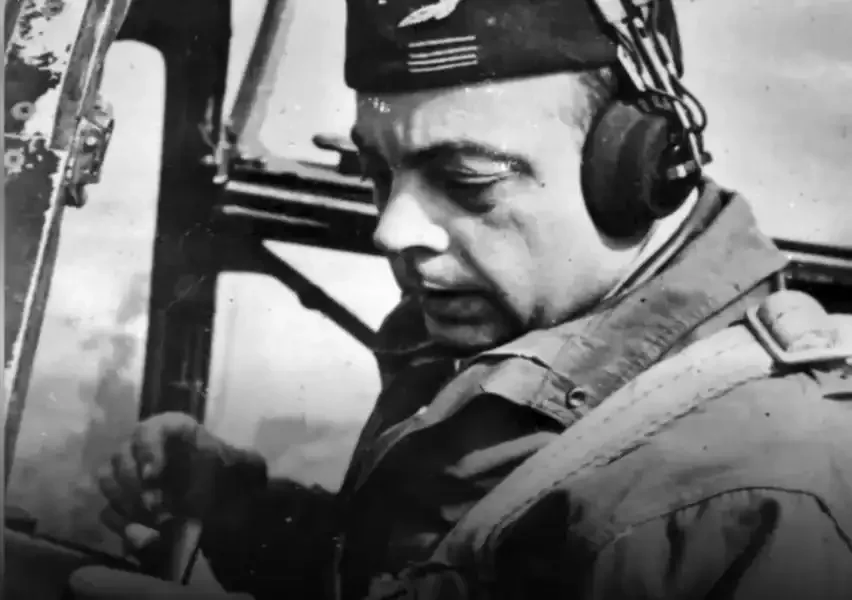
One of the images connected to a disappearance shows French writer and aviator Antoine de Saint-Exupéry beside his P-38 aircraft. On July 31, 1944, he took off on a reconnaissance mission during World War II and did not return. His disappearance remained a mystery for decades.
The photograph links two parts of Saint-Exupéry’s life: his writing and his work as an aviator. The P-38 beside him identifies the aircraft associated with the image, while the account of his final mission gives the picture its historical context. Unlike photographs connected to deaths that were immediately known, this image belongs to a story shaped for many years by uncertainty about what had happened. The long period during which his disappearance remained unexplained gave the surviving record an additional meaning: it became part of the visual memory of a person whose final flight was followed by unanswered questions.
Another photograph was made during a maritime disaster. A crew member took the image while the ship Vestris was sinking in November 1928, during a voyage across the Atlantic. The sinking resulted in the deaths of 111 people.
This picture differs from those taken before a tragedy: it was recorded as the event was unfolding. It therefore documents a moment of danger rather than an ordinary day immediately preceding one. The account identifies the ship, the month, the Atlantic voyage, and the number of people who died. Even with those details, a single photograph can show only a limited part of a disaster. It cannot represent every person aboard or the full experience of the sinking, but it provides a visual record connected to the event.
The final image in the gallery shows civil rights leader Martin Luther King Jr. on the balcony of the Lorraine Motel in Memphis, Tennessee. The photograph was taken on April 3, 1968. One day later, King was assassinated at the same location. His death deeply affected the history of the civil rights struggle.
The setting gives the photograph a direct connection to the place where King was killed, while the date establishes how close it was to his death. The image captures him on the motel balcony before the assassination, preserving a moment that later became part of the historical record. King’s public role and the significance of the civil rights movement mean that photographs of him can carry both personal and historical meaning. This particular image is remembered in relation to the final day of his life and the events that followed.
Taken together, these photographs show why the meaning of an image can change over time. Each records a moment with its own setting and people: a performance, a music figure in France, a father and daughter at a game, a team preparing to travel, an aviator beside an aircraft, a ship in distress, and a civil rights leader on a motel balcony. None can tell the full story of the people shown. Their importance lies in preserving a visible fragment of lives and events that came to be remembered through tragedy.
For families, friends, and the public, such records can serve as reminders that the people in them had lives beyond the events that ended them. They were performers, athletes, colleagues, relatives, travelers, and leaders. The photographs preserve moments that might otherwise have remained ordinary, while their later context makes them lasting records of people whose stories continue to be remembered.