





Foods are part of everyone’s daily routine, but familiar ingredients can have characteristics that are less obvious than they seem. Their composition, botanical classification and uses can all make them interesting subjects. The facts highlighted here concern coconut water, dark chocolate, broccoli, avocados, eggs, apples and walnuts. They also illustrate why comparisons between foods depend on factors such as serving size, preparation and the particular product being considered.
Coconut water is the first food in the gallery. It contains water and mineral salts, which is one reason it has been used as a temporary substitute for intravenous fluids in some emergency situations. That description should be understood narrowly: coconut water is not the same as a medically prepared intravenous solution and should not be treated as a replacement for professional care. Intravenous fluids are selected and administered under medical supervision, while coconut water is a beverage consumed by mouth. Its mineral composition can vary, and it does not provide the same controlled formulation as fluids intended for clinical use.
The example nonetheless points to a basic feature of the drink: it supplies fluid and naturally occurring minerals. As with other beverages, its place in a person’s diet depends on individual needs and circumstances. The fact that a food or drink has been used in a particular situation does not automatically make it suitable for every person or every medical purpose.
Dark chocolate is another item with a notable nutritional comparison. Depending on the cocoa concentration and the portion being compared, it can contain more iron than beef. The qualification matters because dark chocolate products differ in their cocoa content, and a comparison can change when the amount eaten changes. A small serving of one food cannot be compared fairly with a much larger serving of another without noting the difference in portions.
Iron is an essential mineral involved in important functions in the body. Foods can contribute different amounts of it, and the amount present is not the only factor relevant to nutrition. The composition of the overall diet and the form in which iron occurs also matter. The gallery’s comparison is therefore a reminder that foods are not always comparable by reputation alone: the nutritional profile of a product can depend on its ingredients and the quantity consumed. Dark chocolate may be enjoyed for its taste, but a nutrient comparison by itself does not make it interchangeable with other foods.
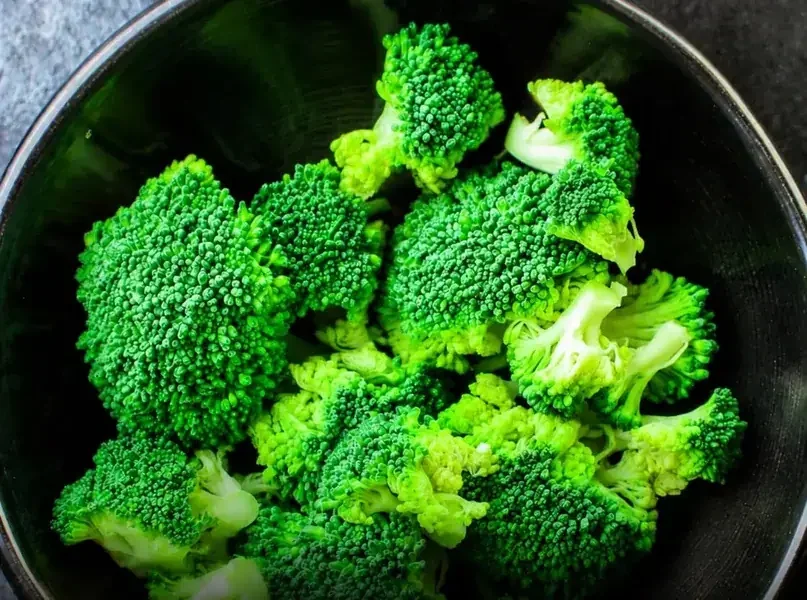
Broccoli is highlighted for its vitamin C content. In equivalent portions, it can provide more of this nutrient than an orange. As with the other comparisons, the portion and the way the food is prepared are important when considering nutrient amounts. Broccoli is a vegetable that can be eaten in different forms, and preparation may affect the final food on the plate. Comparing equal amounts gives a clearer basis than simply comparing one whole item with another, since the size of an orange or a serving of broccoli can vary.
Vitamin C is one of the nutrients people obtain from foods. The comparison is useful because oranges are commonly associated with the vitamin, while broccoli may be less often recognized in that role. It does not mean that one food must replace the other. Both can be part of a varied diet, and the nutrient content of a meal depends on the foods and amounts included.
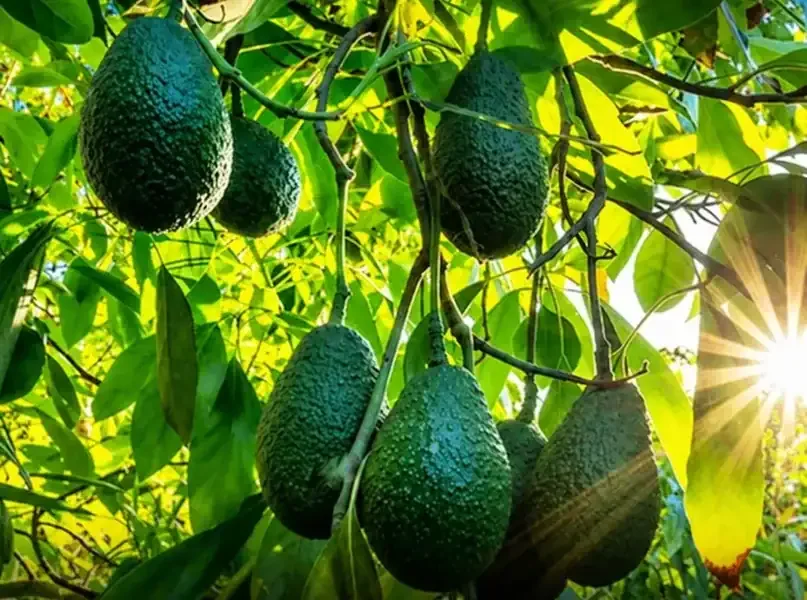
Avocados are notable for potassium. When compared by weight, an avocado can contain more potassium than a banana. The phrase “by weight” is essential to the comparison: it refers to equal amounts of each food rather than necessarily to one typical avocado and one typical banana. The size of individual fruits varies, and the amount eaten can differ considerably from person to person.
Potassium is a mineral found in a range of foods. Avocados also contain fats and other nutrients, while bananas have their own nutritional characteristics. A single nutrient comparison cannot describe the full value of either fruit. Instead, it offers one detail about their composition and shows why familiar assumptions about which foods contain a particular nutrient may not tell the whole story.
Egg yolks concentrate many of the nutrients found in eggs. They contain almost all essential vitamins, with vitamin C being the exception. This makes the yolk nutritionally distinct from the egg white, although both parts contribute to the food in different ways. The gallery’s description focuses on the yolk because that is where many of the egg’s vitamins are concentrated.
Eggs are eaten in many forms, and the final dish may include other ingredients that affect its overall nutritional profile. A statement about the nutrients in a yolk should not be confused with a claim that eggs supply every nutrient a person needs. No single food provides a complete diet. The point is that the yolk contains a broad range of vitamins, while vitamin C is not among them.
Apples are described as sources of carbohydrates and fiber that may provide energy more gradually, while coffee can offer a temporary stimulus because of its caffeine. These are different effects. Food supplies nutrients and energy, whereas caffeine is a stimulant that can temporarily affect alertness. The comparison does not mean that apples and coffee work in the same way or serve the same purpose.
The carbohydrate and fiber content of an apple is part of what makes it different from a cup of coffee. The exact effect of eating an apple or drinking coffee can depend on the serving and on the person. Coffee’s caffeine content varies with the type and preparation, and apples vary in size. The gallery’s contrast is a general description, not a precise measurement of how any individual will feel after consuming either one.
Walnuts round out the gallery. They are rich in healthy fats, antioxidants and other nutrients, and their regular consumption as part of a balanced diet is associated with benefits for memory and cognitive function. This relationship is presented in the context of an overall eating pattern, not as a claim that walnuts alone determine brain health. A balanced diet includes a range of foods, and the contribution of any one ingredient is only part of the larger picture.
The foods in the gallery show how ordinary ingredients can prompt questions about nutrition, history and everyday habits. Their properties are often best understood with careful comparisons: the same portion size, the specific product, and the way it is prepared can all influence what a comparison means. These details help explain why a familiar food may have a less familiar nutritional profile, while also keeping individual facts in perspective. Coconut water, dark chocolate, broccoli, avocados, eggs, apples and walnuts each offer different characteristics; learning about them can make routine meals more interesting without turning any single food into a complete solution.


